Navigating the trip of looking after somebody with a stoma can be as difficult as it is satisfying. With the ideal expertise and devices, carers can significantly enhance the quality of life for their liked ones or customers. This article aims to give detailed support on taking care of stoma care successfully, offering necessary tips and insights tailored for caretakers.
What is a Stoma? Recognizing the Basics
A stoma is a surgically created opening in the body that permits waste to leave when typical bodily functions are disrupted. This can take place because of different clinical conditions, consisting of cancer, inflammatory bowel disease, or stressful injury. The stoma attaches the digestive system system or urinary system to the outside world, promoting waste elimination.
Types of Ostomies
Colostomy: An opening from the colon. Ileostomy: An opening from the ileum (part of the little intestinal tract). Urostomy: An opening from the urinary system system.Each type calls for certain treatment protocols, making stoma care training for carers essential.
The Significance of Stoma Care Training for Carers
Stoma care training gears up carers with necessary skills and knowledge to give optimal like individuals with ostomies. This training not only enhances caregivers' self-confidence but likewise ensures they can take care of complex bowel care effectively.
Why Purchase Complex Bowel Care Training?
- Enhanced Knowledge: Understand different kinds of stomas and their specific needs. Improved Care Techniques: Learn ideal practices in stoma management. Support Networks: Connect with other carers and professionals.
Investing in programs like the NDIS complex bowel care training can dramatically profit both caregivers and those they assist.
Navigating Stoma Adjustments: Vital Tips for Carers
When caring for a private with a stoma, it's critical to browse changes effectively. Right here are some crucial ideas that every carer ought to take into consideration:

1. Preserve Open Communication
Open dialogue between you and your client or liked one results in far better understanding and support. Normal check-ins enable you to identify any type of problems very early on.
How Can I Encourage Communication?
Encourage concerns regarding their experience with their stoma. Produce a secure space ndis bowel care where they feel comfortable discussing any type of discomfort or issues they might face.
2. Understand Ostomy Care Supplies
Familiarize yourself with different ostomy products offered out there, including bags, adhesives, and skin obstacles customized for different types of stomas.
What Are Common Ostomy Products?
- Pouching systems Adhesive removers Skin barrier creams
Having a substantial understanding will certainly help you pick appropriate items throughout your caregiving journey.
3. Regular Skin Treatment Routine
Proper skin care around the stoma is crucial to avoid irritation and infections. Developing a regimen is key.
What Needs to My Routine Include?
- Cleaning the area gently Applying skin obstacle paste if needed Monitoring for indicators of irritation
Keeping an eye on skin problem will certainly aid make sure long-term health and wellness for individuals with ostomies.
4. Take Care Of Dietary Adjustments
Diet plays a substantial role in taking care of output from a stoma. Recognizing which foods may cause gas or obstructions can make life much easier for both carers and patients.
How Can Diet plan Impact Stoma Care?
Certain foods may bring about increased outcome or odor; thus nutritional changes could be needed based upon individual tolerance levels.
5. Emotional Support Is Key
Caring for someone post-surgery can be psychologically taxing for both celebrations involved. Offering emotional support aids ease stress and anxiety related to way of life changes.
How Can I Supply Psychological Support?
Listening actively and validating sensations can make a substantial distinction in how individuals handle their brand-new reality post-stoma surgery.
Training Opportunities Available for Carers
There are various training courses readily available designed particularly for improving abilities connected to bowel care management:
Complex Digestive tract Care Course Overview
These training courses cover different topics such as taking care of emergencies, identifying issues, and establishing personalized care strategies based upon client background-- basically developing a strong structure upon which efficient caregiving can be built.
Stoma Treatment Training Programs
Programs focusing particularly on ostomy monitoring will delve much deeper into strategies customized in the direction of maintaining healthy and balanced stomal websites while ensuring comfort throughout daily activities.
Practical Tips for Managing Everyday Challenges
Every day presents new obstacles when looking after somebody with a stoma. Below are functional approaches that may help:
1. Organize Products Efficiently
Maintain an organized supply terminal where all essential items are quickly accessible throughout altering routines.
What Items Need to Be Included?
- Spare pouches Adhesive strips Cleaning wipes
A well-organized arrangement conserves time and reduces anxiety throughout bag changes!
2. Instruct Self-Care Techniques
Empower your client by educating them just how to handle their very own ostomy if they are able; this promotes independence and confidence over time.
What Self-Care Techniques Need to Be Taught?
Start by showing pouching methods before allowing them hands-on technique under supervision until they feel comfortable doing it themselves!
FAQ Section
1. What is an ostomy?
An ostomy is a surgery that produces an opening (stoma) enabling waste or pee to exit when regular bodily features can not occur due to medical concerns like cancer cells or inflammatory digestive tract diseases.
2. How often need to I transform an ostomy bag?
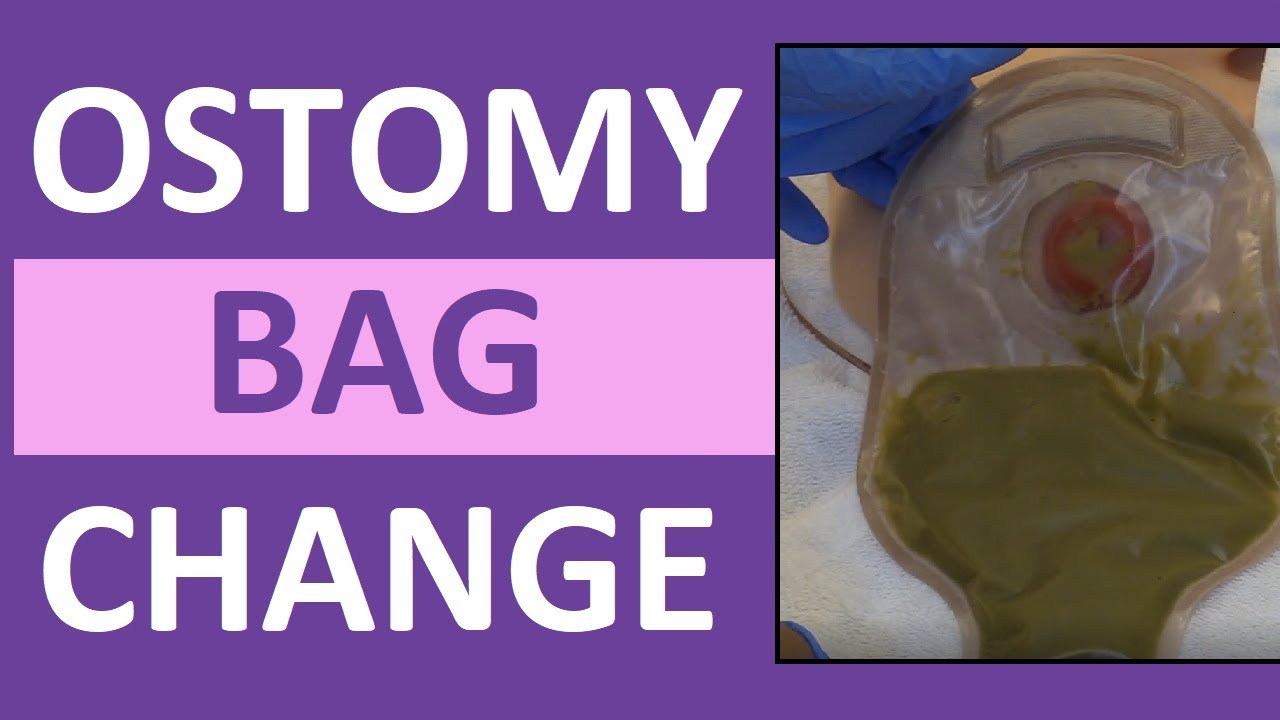
Typically, ostomy bags need changing every 3-- 7 days depending on specific conditions; however, always seek advice from healthcare providers concerning certain referrals tailored toward each person's needs!
3. Can diet regimen impact my stoma?
Yes! Specific foods may bring about gas accumulation or clogs influencing overall comfort degrees; for that reason reliable nutritional management contributes substantially toward boosted quality of life post-surgery!
4. What indicators suggest complications?
Signs could include redness around stomas (indicating potential infection), extreme leakage from pouches indicating bad seal adherence/fit and so on-- prompt attention needs to be sought if observed!
5. Are there sustain networks available?
Absolutely! Numerous companies give sources linking people living with ostomies & & caretakers alike supplying guidance/emotional support via shared experiences promoting area bonds!
6. Where can I discover digestive tract care courses?
Look right into local health organizations offering specialized training possibilities covering whatever from fundamental concepts up via advanced strategies concentrated exclusively upon intricate instances including nuanced demands bordering bowel management scenarios!
Conclusion
Caring for someone navigating life modifications as a result of having undergone surgical treatment causing creation of an artificial exit point requires persistence coupled together with informed understanding gained by means of committed educational efforts such as those given through NDIS complex bowel care training methods along side other relevant coursework options offered today! By implementing these methods discussed throughout this short article while continuing to be attentive towards holistic health incorporating emotional aspects as well-- carers will unquestionably locate themselves better furnished at efficiently providing thoughtful support enabling smoother changes experienced by those left within their capable hands!
In summary, navigating these waters requires time however being aggressive translates directly into favorable results-- both physically & & emotionally-- for every person involved!